How Construction Companies Benefit from Recycling Equipment
The construction industry continues to evolve as companies look for practical ways to reduce waste, improve efficiency, and meet growing environmental expectations. Every construction project generates materials that can often be reused instead of discarded, including concrete, asphalt, wood, brick, and metal. Rather than sending these materials to landfills, many contractors are investing in local recycling equipment to process reusable resources directly on-site or at nearby facilities. This approach helps businesses lower operating costs, conserve valuable materials, and support more sustainable building practices without sacrificing productivity. As environmental regulations become more demanding and clients place greater emphasis on green construction, recycling equipment has become an important asset for companies seeking long-term success.
Lower Material Costs Through Recycling
One of the most significant advantages of incorporating recycling systems into construction operations is the opportunity to reduce material expenses. Construction projects often require large quantities of aggregates, metals, and other raw materials that can become costly, especially when supply chain disruptions affect pricing. Recycling construction debris allows companies to recover valuable resources that can be reused on current or future projects instead of purchasing new materials.
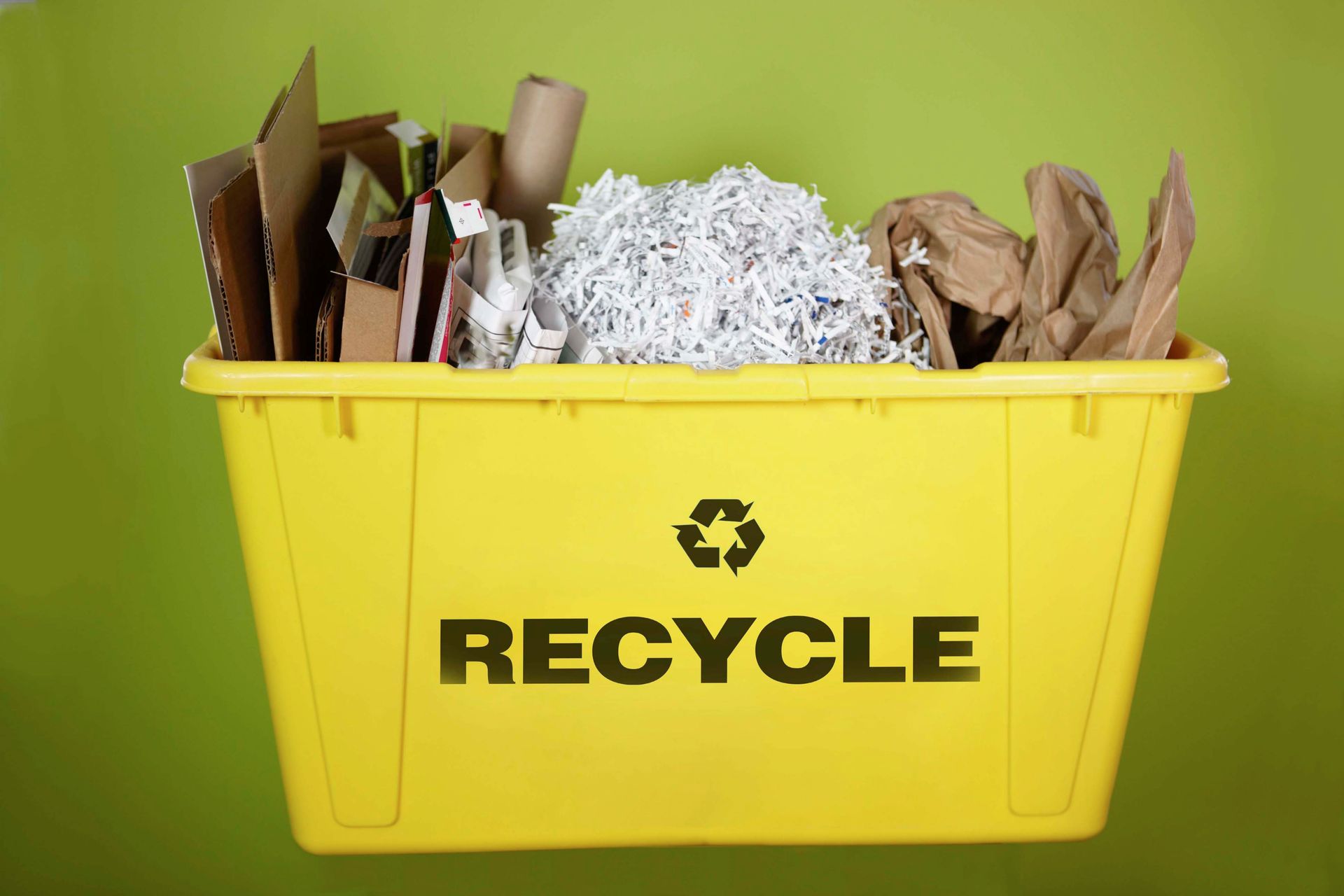
Using local recycling equipment allows contractors to crush concrete into reusable aggregate, separate metals for resale, and recover materials that would otherwise become waste. These recovered materials help reduce purchasing costs while minimizing dependence on newly manufactured products. Over time, these savings can have a meaningful impact on overall project profitability.
Material recycling also improves inventory management by creating a consistent source of reusable products. Rather than waiting for deliveries of new materials, contractors may already have usable resources available, reducing delays while improving project scheduling.
Reducing Waste Disposal Expenses
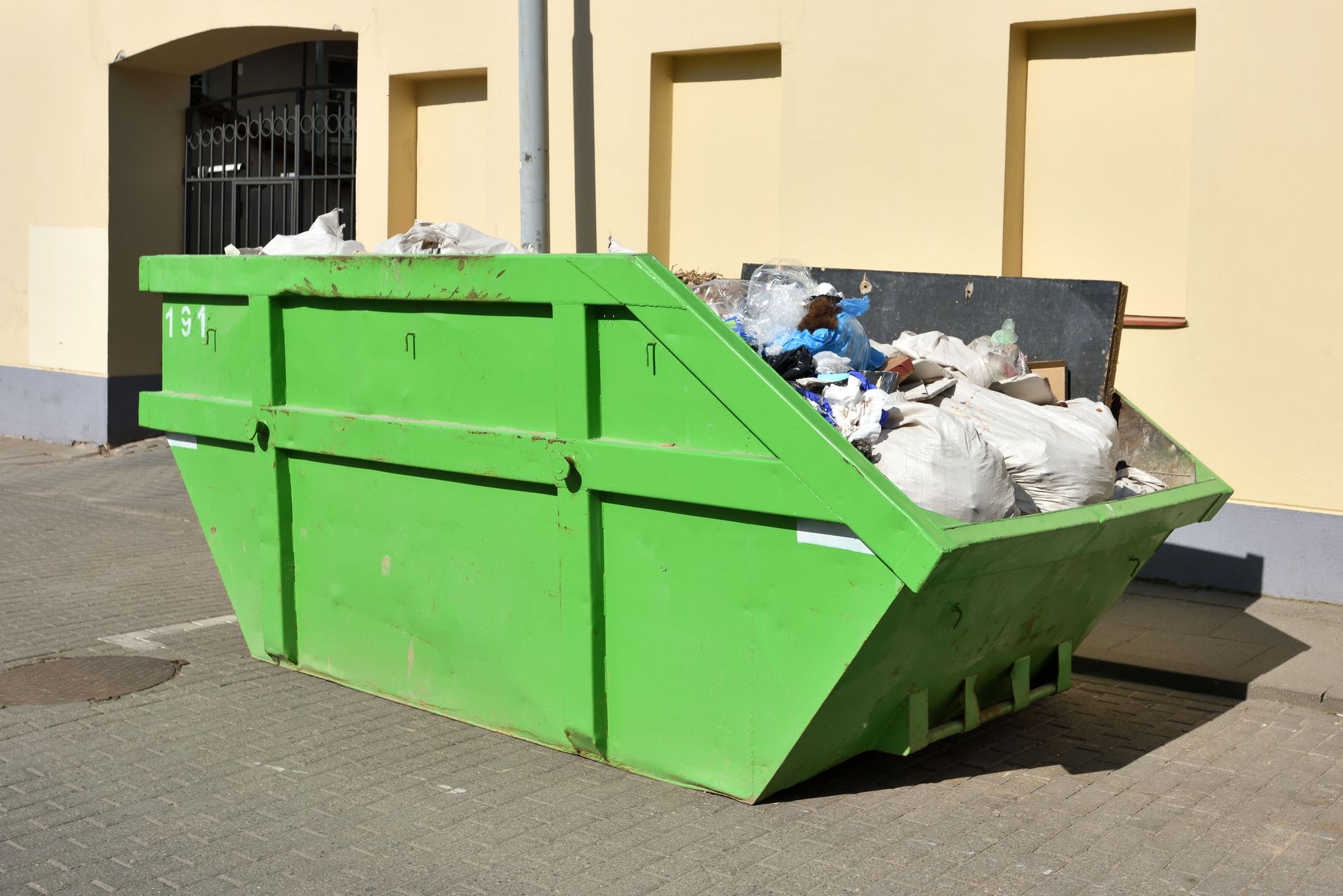
Construction waste disposal can quickly become one of the more expensive aspects of a project. Landfill tipping fees, transportation costs, and labor associated with hauling debris all contribute to higher operating expenses. Recycling significantly reduces the amount of waste requiring disposal, allowing companies to lower these ongoing costs. According to the Environmental Protection Agency, demolition represents more than 90 percent of total construction and demolition debris generated in the U.S., highlighting the importance of recovering reusable materials whenever possible.
With local recycling equipment, construction teams can process debris near the job site instead of transporting large volumes of waste to distant disposal facilities. This not only lowers fuel consumption but also decreases equipment wear and minimizes the number of hauling trips required throughout the project.
Reducing landfill waste also supports broader sustainability initiatives that many municipalities and commercial clients now expect from contractors. Demonstrating responsible waste management can strengthen relationships with project owners while helping companies meet contractual sustainability requirements.
Supporting Faster Project Completion
Construction schedules depend on efficient material handling and consistent workflow. Waiting for replacement materials or coordinating multiple waste removal services can create unnecessary delays that increase labor costs and extend project timelines. Recycling equipment helps streamline these processes by allowing reusable materials to remain within the project cycle.
When companies utilize local recycling equipment, recovered materials can often be processed and prepared much faster than ordering replacements from outside suppliers. This improved efficiency keeps crews working without lengthy interruptions and helps projects remain on schedule.
Faster project completion benefits both contractors and clients. Contractors can move resources to new projects more quickly, while property owners experience fewer delays before occupancy or project completion. Improved scheduling also enhances customer satisfaction and strengthens a company's reputation for dependable service.
Helping Companies Meet Environmental Standards
Environmental regulations continue to influence how construction companies manage materials and waste. Many jurisdictions have adopted stricter requirements regarding landfill diversion, recycling percentages, and responsible resource management. Contractors that proactively invest in recycling systems are often better prepared to comply with these evolving standards.
Using local recycling equipment demonstrates a commitment to sustainable construction while simplifying compliance with environmental regulations. Processing reusable materials instead of disposing of them helps reduce landfill contributions and supports responsible resource conservation.
Companies that consistently follow environmentally responsible practices are also better positioned when bidding on government projects or commercial developments that prioritize sustainability. Meeting these expectations can create additional business opportunities while reducing the risk of regulatory penalties.
Improving Overall Operational Efficiency
Efficient construction operations rely on minimizing wasted time, unnecessary transportation, and excessive material handling. Recycling equipment contributes to smoother workflows by allowing materials to be sorted, processed, and reused with fewer interruptions throughout the construction process.
Instead of treating demolition debris as waste, contractors can view it as a valuable resource that supports future work. This shift encourages better planning, improved organization, and more effective use of labor and equipment. Recycling also reduces clutter on job sites, creating safer working conditions for employees while improving overall productivity.
Companies that integrate recycling into their daily operations often discover additional opportunities to improve efficiency beyond waste management. Better material tracking, organized storage, and streamlined logistics all contribute to stronger project performance and long-term operational success.
Strengthening a Company's Reputation
Clients, developers, and public agencies increasingly value contractors that demonstrate responsible environmental practices. Construction companies that actively reduce waste and recover reusable materials often stand out when competing for new projects. A visible commitment to sustainability can build trust with customers who want to partner with organizations that share their environmental goals.
Investing in local recycling equipment also shows that a company is thinking beyond immediate project costs and focusing on long-term environmental responsibility. This commitment can improve client confidence, encourage repeat business, and generate positive referrals from customers who appreciate sustainable construction practices.
A strong reputation for environmental stewardship can also improve relationships with suppliers, municipalities, and community organizations. These partnerships often create opportunities for future projects while reinforcing a company's position as a reliable and forward-thinking contractor.
Creating Safer and More Organized Job Sites
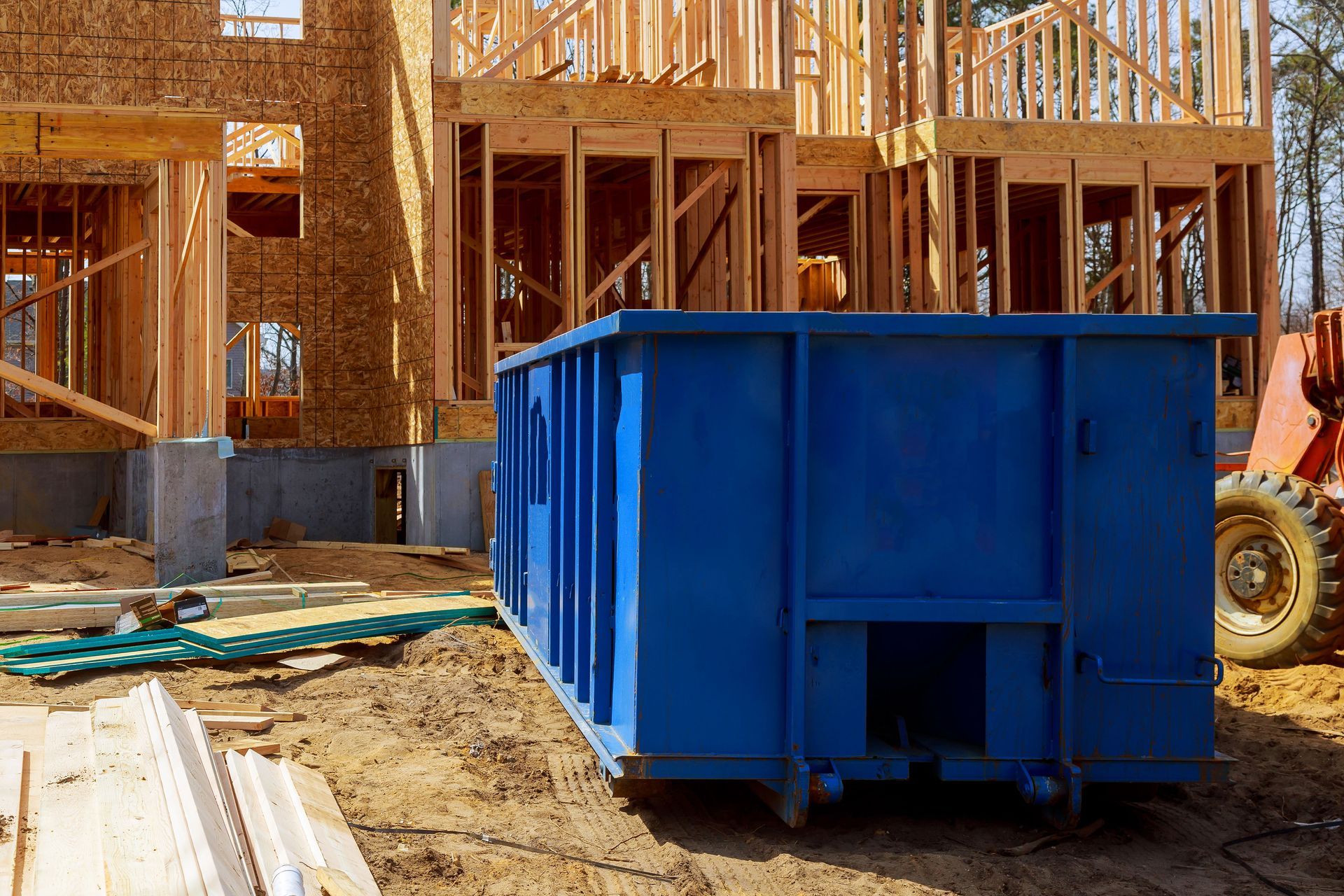
Construction sites operate more efficiently when materials are properly sorted and managed throughout each phase of a project. Piles of debris can create safety hazards, limit equipment access, and increase the likelihood of workplace accidents. Recycling programs encourage crews to separate reusable materials from general waste, helping maintain cleaner and more organized work environments.
Using local recycling equipment makes it easier to process materials quickly instead of allowing debris to accumulate across the job site. Better organization improves traffic flow for workers and heavy machinery while reducing trip hazards and unnecessary handling of waste materials.
A cleaner site also reflects positively on the company. Clients and inspectors often associate organized construction sites with professionalism, attention to detail, and high-quality workmanship.
Supporting the Circular Economy
Recycling construction materials contributes to a circular economy by keeping valuable resources in use for as long as possible. Instead of extracting new raw materials for every project, contractors can give existing materials a second life through processing and reuse. This approach reduces demand for natural resources while extending the usefulness of products that might otherwise become landfill waste.
Concrete can be crushed into aggregate for future paving projects, reclaimed wood may be incorporated into new structures, and recovered metals can be melted down for manufacturing. Each recycled material helps reduce resource consumption while supporting a more sustainable construction industry.
As more contractors embrace circular construction practices, the industry becomes better equipped to meet growing environmental expectations without compromising productivity or project quality.
Sustainable construction is no longer simply a trend—it has become an important part of how successful companies operate. Recycling equipment helps contractors reduce material expenses, lower disposal costs, improve efficiency, maintain safer job sites, and strengthen relationships with environmentally conscious clients. These benefits extend beyond individual projects by supporting responsible resource management and reducing the environmental impact of construction activities. As the industry continues to evolve, companies that prioritize recycling will be well positioned to meet future challenges while delivering high-quality results. Investing in efficient recycling practices creates lasting value for businesses, their clients, and the communities they serve, making sustainability an essential component of modern construction success. Contact our team at PCI Waste and Recycling Equipment today and learn more about our recycling services.
Share On: